Rust solo survival in 2026 when you build a base right next to Oil Rig
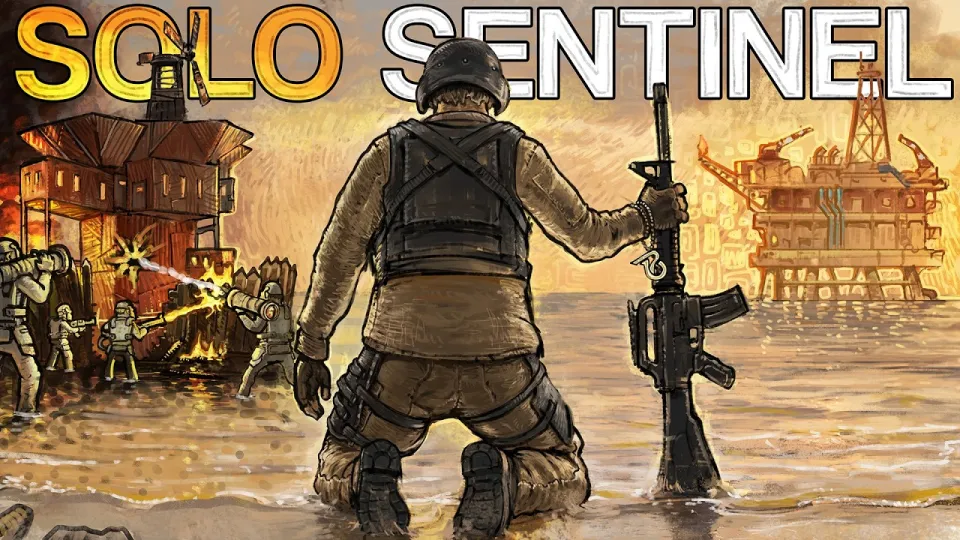
Video: The Solo Sentinel - Rust
You can order the same kind of articles for your own video to boost it on YouTube and Google. Just message the Telegram bot @sat_sit_bot. It writes articles around your video, embeds the video and publishes them on popular niche websites (no ads). Your first 50 articles are free.
· based on the channel Blooprint
Rust is a survival game where a solo player can hold ground against larger groups by choosing the right base location, fortifying it early and turning every fight into a defense rather than a fair duel. The clearest example is a run built directly next to Oil Rig, where the monument supplies constant traffic, loot and attackers, and the base itself becomes the weapon. You can follow the creator's live sessions and streams at Blooprint on Twitch.
What makes a solo Rust run work next to Oil Rig
Oil Rig is one of the most contested monuments in Rust because it hands out high-tier loot and attracts groups with boats, dive gear and rockets. A solo player who builds within sight of it accepts constant pressure but gains three things a quiet corner of the map never provides: a steady supply of players to snowball from, quick access to crates after every fight, and the ability to retreat into a prepared base instead of dying in the open.
The trade-off is that the base must be finished fast. On a fresh wipe the first hours decide whether the location is viable, because the first group that finds a half-built structure next to Oil Rig will come back with explosives. A solo base in this spot works when it is small, cheap to seal and layered, not when it tries to look impressive.
Base design and defense for a solo sentinel
A solo base near a monument should be built around the assumption that the owner will be offline or outnumbered most of the time. Practical priorities look like this:
- Keep the footprint small so the whole structure can be upgraded to stone or metal quickly.
- Seal every room with its own door or garage door, so a raider who blows one wall still faces another layer.
- Place turrets where they cover the approach from the water and the nearest road, since boats and divers are the most common arrival route at Oil Rig.
- Store loot in more than one room and never keep everything behind a single door.
- Build a shooting position that looks outward, so the defender can fight from cover while attackers are exposed on the beach or the deck.
Turrets do most of the work in a solo defense. They punish players who try to camp the door, they buy time to respawn and re-arm, and they make a small base expensive to raid relative to what is inside. The same logic applies to ammo and component storage: spreading it out means one successful breach does not end the wipe.
Snowballing from a contested monument
Snowballing is the core loop of solo Rust, and Oil Rig accelerates it. Every player who dies on the monument's decks or in the water leaves behind guns, armor, resources and sometimes explosives that a solo player would otherwise need hours to craft. A single successful counter-raid can move a player from a bow and a wooden door to a rifle and a metal core in one session.
The risk is that snowballing attracts attention. Groups that lose members near Oil Rig tend to return with reinforcements, and a solo player who keeps winning fights in the same spot becomes a target. The counter is discipline: use the loot to upgrade the base immediately, keep a second spawn point or stash away from the monument, and avoid chasing kills far from the turrets.
Why solo content stands out in Rust videos
Solo Rust videos work because the viewer hears the entire thought process. Without team comms, every decision is explained out loud: why a door is sealed, why a fight is skipped, why a raid is attempted at an odd hour. That narration is what makes the format engaging, and it is the reason audiences keep asking for more solo runs instead of fast team progression.
The most common criticism of modern Rust content is that skilled groups reach top-tier gear within twenty minutes, which removes the tension. A solo run next to Oil Rig keeps that tension: the player is always one mistake away from losing the base, and the story is built on the struggle rather than on the loadout.
Typical viewer questions about solo Rust
Viewers who watch solo runs usually ask the same things: how a single player survives against groups, whether a base near a monument is worth the risk, and how much of the outcome depends on luck at the start of a wipe. The short answers are preparation, layered defense and a willingness to abandon a fight that cannot be won.
Another recurring theme is collaboration. Many viewers enjoy runs where a solo player teams up with strangers met along the way, and they regularly ask for more multi-player solo series where several creators start alone and meet on the map. That format combines the personal narration of solo play with the unpredictability of random encounters.
Where to find more from the creator
All of Blooprint's channels and social links in one place:
- https://www.twitch.tv/blooprint
- https://kick.com/blooprint
- https://www.tiktok.com/@blooprintgames
- https://twitter.com/blooprintgames
- https://discord.gg/blooprint
Final thoughts on holding ground as a solo
A solo player who builds next to Oil Rig is trading safety for opportunity, and the run works only when the base is treated as part of the strategy rather than an afterthought. Small footprint, sealed rooms, turrets covering the water approach and a strict rule against chasing fights away from home are what turn a vulnerable position into a fortress. Blooprint's breakdown of this solo run shows how much of Rust is decided before the first shot is fired, and why the slower, struggle-driven story remains the most requested format. For live sessions and future wipes, watch Blooprint's Twitch channel.
Key takeaways
- Blooprint's solo run is built around a base placed directly next to Oil Rig, turning a high-traffic monument into a permanent source of fights and loot.
- Solo play means no team comms: every decision, callout and mistake is narrated to the viewer, which is why the format reads as a story rather than a highlight reel.
- Defending a small base against groups relies on turrets, sealed rooms and layered doors rather than on outnumbering the attackers.
- The most requested follow-up from viewers is more solo content and another multi-solo collaboration series.
- Solo progression through T2 and T3 gear in a short time is a common criticism of modern Rust videos; slower, struggle-driven runs are what audiences ask for.
Questions & answers
Can a solo player really survive building next to Oil Rig in Rust?
Yes, but only with a small, quickly upgraded base and turrets covering the water approach. The location guarantees constant fights, so the base has to be finished in the first hours of a wipe and every room must be sealed separately.
Why do viewers prefer solo Rust content over group videos?
In solo videos the creator narrates every decision to the audience, so the viewer follows the reasoning behind each fight, raid and base upgrade. Group videos rely on team comms that leave the viewer on the sidelines.
What is the best defense for a small solo base in Rust?
Layered doors and sealed rooms, turrets aimed at the most likely approach, and loot split across multiple rooms. Turrets buy time and make the raid cost more than the contents are worth.
Will there be more solo or collaboration series from Blooprint?
Solo runs are the most requested format, and viewers also keep asking for another multi-solo collaboration series where several creators start alone and meet on the map. New videos and live sessions appear on the Twitch and YouTube channels.
Source: The Solo Sentinel - Rust · Markdown version